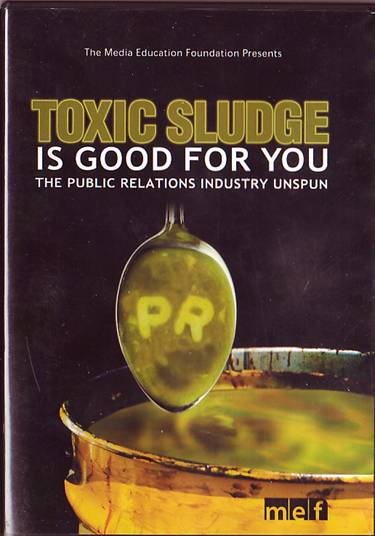
After viewing this
film, please discuss the following questions and write a one page reflection.
(Minimum 250 words)
1.
In your home
country, to what extent does the media (TV, radio, newspapers, magazines, etc)
play an important role in determining what people know about important issues ?
To what extent does it inform what people conventionally believe is true and
what they conventionally believe is right and wrong ?
2.
This documentary
focuses on the media in the
3.
Which way of
knowing does the public relations industry seek to capitalize on most: Reason
or Emotion? After the oil spill of the Exxon Valdez, should the CEO of Exxon
have gone to the beaches, held an oil soaked animal and cried?
4.
Can you think of
an instance in which your knowledge of an issue may have been influenced by
public relations strategies and tactics?
5.
If the public
relations industry obscures or biases peoples knowledge of important issues, is
it also an impediment to democracy? Is true knowledge essential to a working
democracy or is it best for elites to influence ordinary people’s decisions (in
their best interest)? Take for example the
unwillingness of most Americans to participate in World War I.
6.
Do you think that
it was appropriate for this documentary to use the term "propaganda"
to describe what the public relations industry produces? Does this documentary
take public relations too seriously?